
-
Wakayama Steiner School
- Level/s of EducationOthers (Nurseries, etc.)RegionKinki
- Main areas of activity
| Location | |
|---|---|
| TEL. | |
| Website | |
| Membership | - |
2025 Annual Report
Biodiversity, Environment, World heritage/intangible cultural heritage/regional cultural properties, Sustainable production and consumption, Dietary education, Global Citizenship Education (GCED)
Changing the World With Our Own Hands
Supporting children as they grow into people who take initiative and engage with the world. Building a meaningful connection between learning and the self.
1. A Community That Supports Children Through School, Home, and the Local Area
• Adults working together
We create an environment where adults regularly share observations about children’s growth. This includes parent meetings, individual conferences, school clean‑ups, and community events.
• Ensuring high‑quality education
Classes are organized according to children’s developmental stages, while also responding to local challenges such as declining birthrates and securing staff and resources.
Classes are structured into: lower grades (1–3), middle grades (4–6), upper grades (7–9).
Supporting to make a scare crow
2. ESD Practices Inspired by the International Waldorf Curriculum
• Education for Global Citizenship
Middle grades: Students explore how humans live within nature through themes like food, clothing, shelter, and our relationship with the natural world. They also take part in independent projects, cooking, and woodworking.
Upper grades: Students deepen their thinking and connect personal interests with academic study through fieldwork and research presentations. Subjects include history, astronomy, and earth sciences.
All grades: Students learn both English and German.
• Arts‑Integrated Learning
Through artistic activities, students experience the idea that “when I use my hands, I can shape the world around me.”
All grades: Handwork, drama, eurythmy, visual arts, and music.
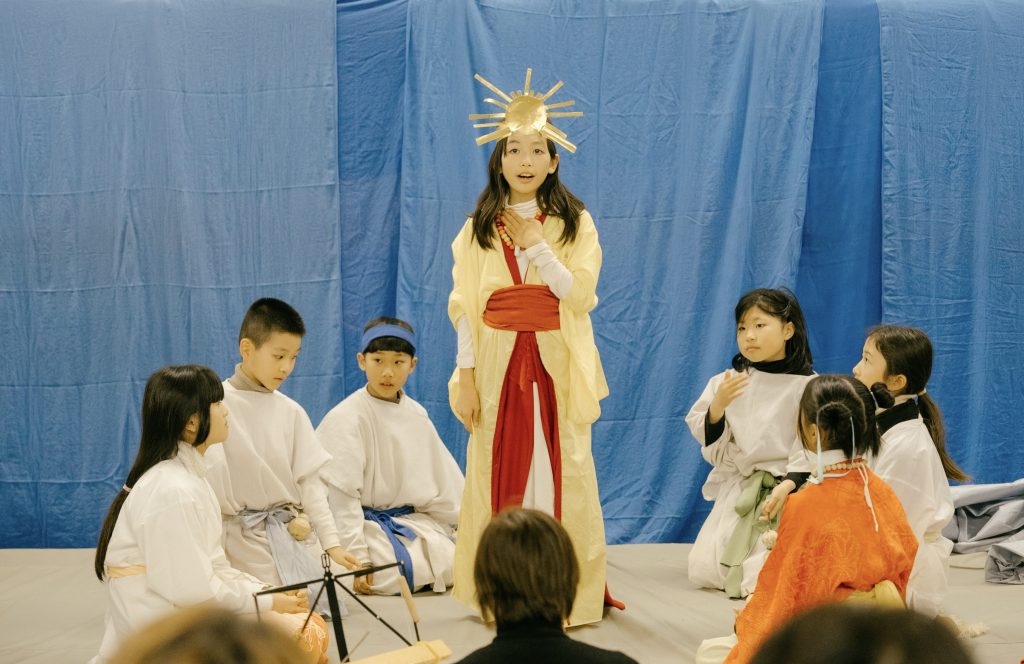
Grades 4–6: Students create performances inspired by the Kojiki, Japan’s oldest collection of myths and early historical legends.
• Sustainable Production and Consumption
The whole school participates in rice cultivation, harvesting around 1,000 kg each year.
Students also help maintain forested areas on land that is no longer farmed.
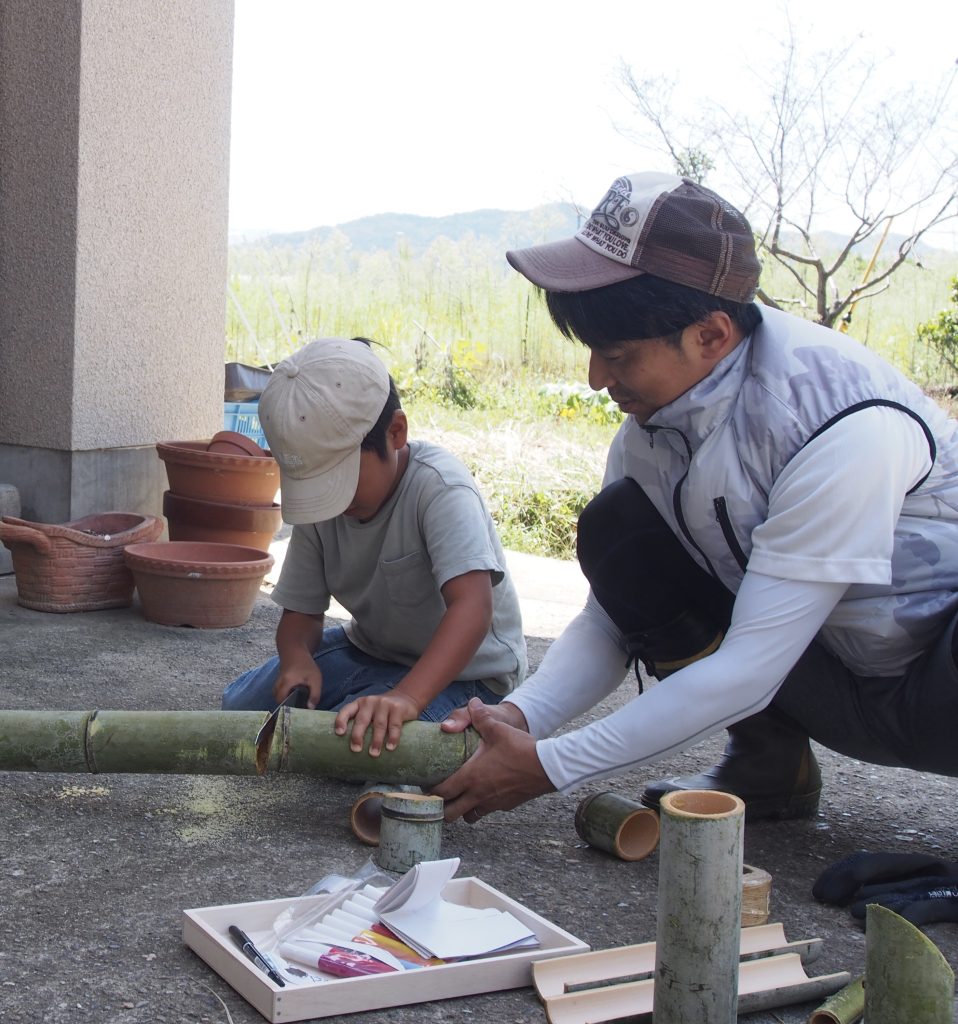
Let’s DIY School! Creating a place where adults serve as positive role models for children
Our focus is not on one‑time activities, but on the power of continuing shared practices. Through daily life, learning, and community involvement, children develop trust, willpower, critical thinking, and the ability to work with others.
Students take part in many community‑connected activities, such as wildlife protection, helping bring fallow fields back into cultivation, participating in traditional cultural events, and performing concerts to support disaster‑affected areas.
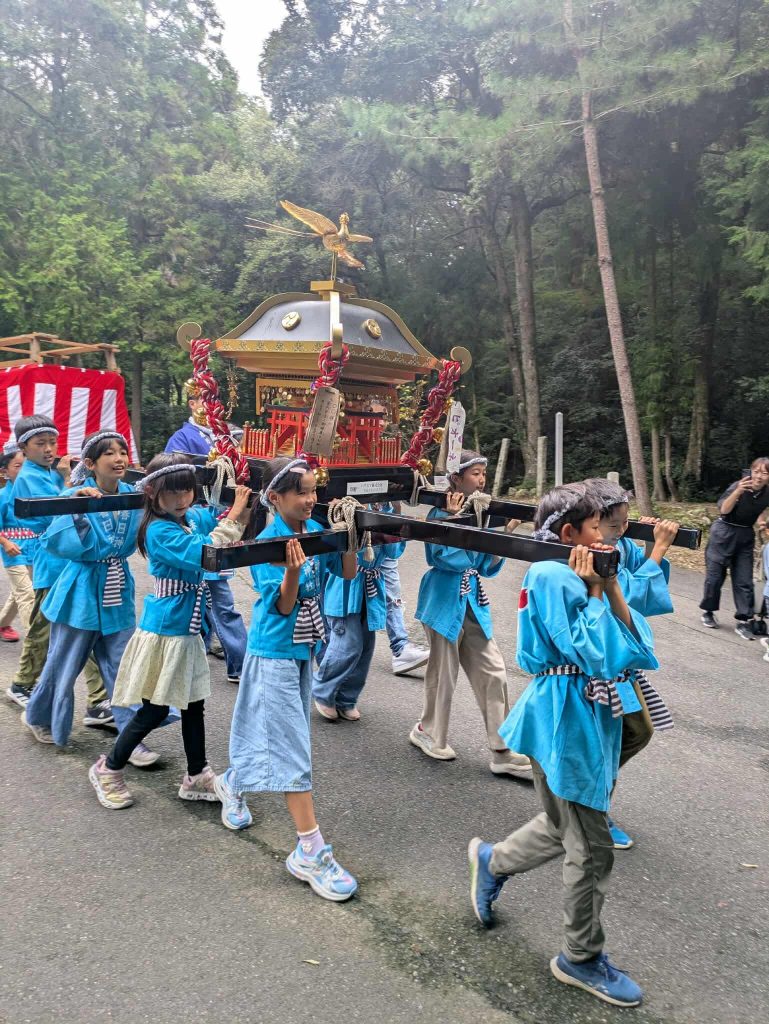
地域の伝統行事を担う
By combining the strengths of the school, families, and the local community, we nurture an environment where every child can engage with society in a way that is authentic and self‑directed.